Opening Overview
Global ocean shipping logistics has entered a continuous tightening cycle since June 2026. Strait blockages, soaring bunker oil prices, and mandatory vessel detours have jointly squeezed global container capacity, pushing daily freight rate growth of nearly 1% on core trans-Pacific and Asia-Europe routes. For our global clients who purchase large volumes of glass wool insulation materials for HVAC systems, building roof insulation, and wall thermal insulation projects, unstable shipping schedules and rising logistics costs have become core concerns. Today, our official glass wool website shares the latest authoritative shipping market updates and exclusive, optimized shipping plans tailored for lightweight glass wool bulk cargo.
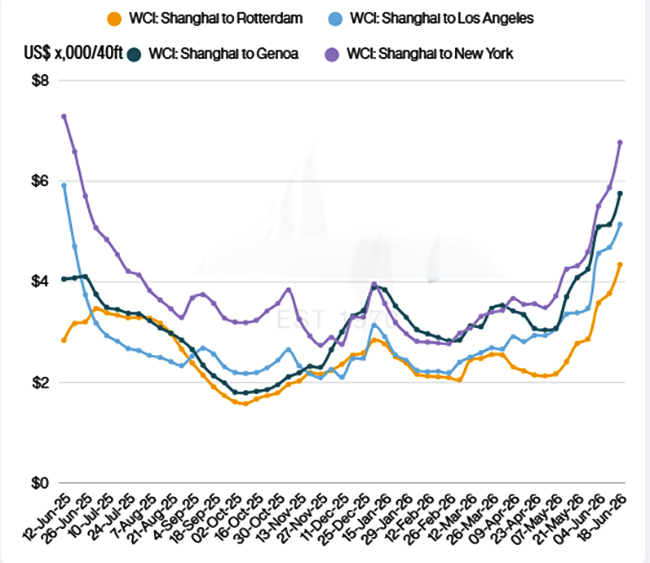
Core Current Shipping Market Pain Points
Three major factors disturb normal export shipping arrangements:
-Capacity Reduction: Massive container vessels bypass key straits, extending sailing time by 7-10 days and reducing weekly effective shipping capacity, obviously.
-Port-wide congestion: European and American mainstream ports have prolonged vessel waiting times; emerging ports in Thailand, India, and East Africa suffer worse cargo pickup delays over 7 days.
-Unpredictable Rate Growth: Spot freight rates update upward every day without price stabilization signs, making delayed shipments bring an extra logistics cost burden directly.
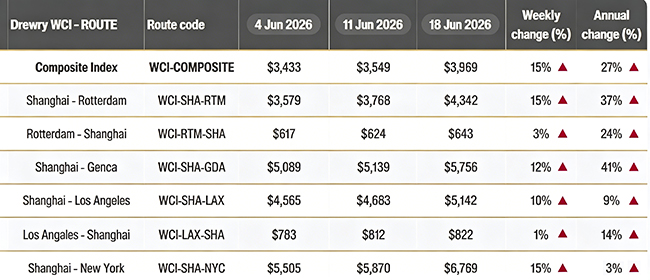
Refer to the latest Shanghai export weekly freight benchmark (40HC container):
Europe: $4,432/40HC
Mediterranean: $5,756/40HC
US West Coast: $5,142/40HC
US East Coast: $6,769/40HC
Our Main Glass Wool Export Product Line Shipping Characteristics
Our glass wool official website focuses on high-performance fiberglass insulation materials suitable for global construction and HVAC engineering scenarios. Our hot-selling export products cover glass wool insulation rolls with FSK facing, rigid glass wool boards for air duct insulation, glass wool pipe covers for pipeline thermal preservation, and ultra-fine glass wool blankets for roof and wall insulation.
All our glass wool products adopt a formaldehyde-free, eco-friendly formula, feature A1-grade fire resistance, low thermal conductivity, and excellent sound absorption performance. Different from heavy rock wool cargo, glass wool belongs to lightweight bulk insulation goods with large cubage, which is more easily affected by container space shortage and loading restriction in the current tight shipping market.
Customized Shipping Optimization Tips for Glass Wool Orders
Aiming at the cubage characteristics of glass wool cargo and the current bad shipping conditions, our team launches targeted logistics solutions:
-High Compression Vacuum Packaging: We upgrade vacuum compression technology for glass wool rolls and blankets, improving container loading efficiency by 15% to help clients save extra container space cost amid rate hikes.
-Fixed Long-term Container Space Reservation: For regular bulk glass wool importers, we sign long-term space contracts to avoid daily spot price increases completely.
-Port Preference Recommendation: We suggest avoiding congested Los Angeles and Nawashewa ports temporarily; we can switch to alternative nearby ports to cut vessel waiting time and cargo detention fees.
Final Reminder
The peak shipping season comes earlier this year. Freight rates will keep rising in the next 4-6 weeks. Please lock your glass wool order shipment date and container space in advance. Our professional export logistics team will track vessel dynamics throughout the whole journey to ensure your insulation cargo arrives safely.
CHINA IKING INDUSTRIAL GROUP CO., LTD
E-mail: info@iking-glasswool.com
Tel: 86-022-60767280
Fax: 86-022-58823477
Cel Phone: +8613312030322(Whatsapp/wechat)
Office Add: 14 floor, Zhiyun Building No.2, Hedong District, Tianjin City, China





